Mini-Splits · Ogden & Weber County
Is a Ductless Mini-Split Right for Your Ogden Home or Office?
By PerfecTemp HVAC 3 min read
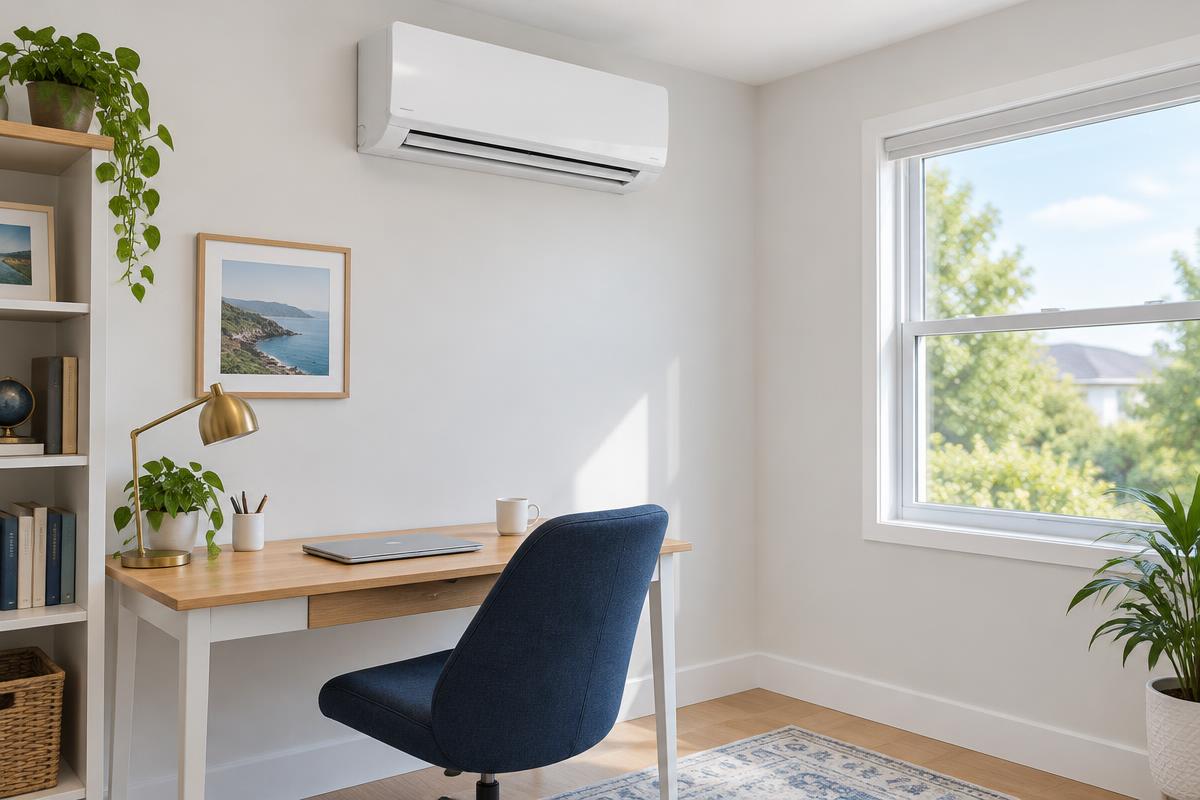
A room that stays too hot or too cold does not always need a bigger central HVAC system. A ductless mini-split can give a specific space its own heating and cooling control. For Ogden homes and businesses, the best fit depends on the room, the building’s existing equipment, and whether the new system will provide year-round heat or mainly supplemental comfort.
Where Ductless Systems Can Make Sense
Mini-splits are worth considering for an addition without ducts, a home office with a different schedule, or a small commercial space that needs independent control. They may also suit buildings where adding full ductwork would be difficult.
They are not a substitute for diagnosing an existing system. A blocked return, leaking duct, or insulation problem can make a room uncomfortable even when the equipment is working. Find out what is causing the imbalance before deciding whether a separate unit is the best solution.
- An addition or remodeled space outside the existing duct layout.
- A room used at different times from the rest of the property.
- A small office or shop with distinct comfort needs.
- A property where new ductwork would be impractical.
Single-Zone and Multi-Zone Are Different Choices
A single-zone system pairs an outdoor unit with one indoor unit. A multi-zone system connects several indoor units to one outdoor unit. Independent room settings can be useful, but the equipment still has limits on total capacity and simultaneous operating modes.
One wall-mounted head does not automatically condition every room on a floor. Closed doors and the shape of the space affect air distribution. Ask how bedrooms, corridors, and separate offices will receive heating and cooling rather than assuming air will move around corners.
Sizing and Placement Make the Difference
An installer should evaluate the space’s heating and cooling loads, windows, insulation, occupancy, and exposure. Oversizing is not a shortcut to better comfort. Indoor-unit placement needs to support airflow while leaving access for filter cleaning and future service.
The outdoor unit needs manufacturer-specified clearances, an appropriate mounting location, and a plan for drainage and winter conditions. Refrigerant piping, condensate drainage, and electrical work also need to be included in the installation scope.
For businesses, mention operating hours, customer areas, and any ventilation requirements. A mini-split typically conditions recirculated air; do not assume it provides the outdoor ventilation the building requires.
Can a Mini-Split Heat Through Winter?
Some ductless heat pumps are designed for cold-climate operation; other models have different low-temperature limits and capacities. If this will be the space’s primary heat source, ask how its output compares with the calculated heating load at winter design conditions.
Discuss whether supplemental heat is needed and how it will operate. A model’s marketing label alone does not tell you whether it will keep your particular room comfortable during a cold spell.
Ductless Does Not Mean Maintenance-Free
Follow the manual for cleaning accessible filters and keep indoor and outdoor airflow paths unobstructed. A professional should handle refrigerant work, electrical faults, coil service, and drainage problems. Indoor water leaks, persistent odors, ice buildup, or falling performance deserve attention.
Include all indoor heads in your maintenance plan. Cleaning one frequently used unit does not maintain the other zones. Keep a record of filter care and symptoms, particularly when several staff members use the same office controls.
PerfecTemp provides mini-split installation, repair, and maintenance for residential and commercial properties in Ogden and Weber County, with additional service in Davis, Morgan, and Box Elder counties and Evanston, Wyoming. Call or text to discuss the rooms you want to condition.
Talk With PerfecTemp
Ductless Mini-Split Installation & ServiceResidential and commercial service, starting with a call or text.
Sources & Further Reading
- DOE Building Science Education: Heat Pump Applications and System Selection
- DOE Building Science Education: Heat Pump Operation and Maintenance
- ENERGY STAR: Heating and Cooling Maintenance Checklist
General guidance does not replace your equipment’s manual, a property-specific assessment, or emergency services. Equipment shown is illustrative.